

Financial Terms Every Beginner Should Know Before Making Money Decisions
Plain-language guide to core financial terms: income, cash flow, assets, interest, inflation, risk and diversification, with a hypothetical month.
Plain-language guide to core financial terms: income, cash flow, assets, interest, inflation, risk and diversification, with a hypothetical month.

The European stock market is a network of exchanges, countries and currencies. See how Europe differs from the EU and euro area, and how currency moves matter.

Payroll deductions explain why gross pay and take-home pay differ. Learn to read a payslip, compare job offers by net pay and budget with real numbers.
A certificate of deposit trades flexibility for a known term and interest. See how it works, how inflation affects it and what to check before locking money.

Opportunity cost is the hidden price of every money choice. Learn how to see what you give up, avoid sunk-cost traps and use the idea without overthinking.
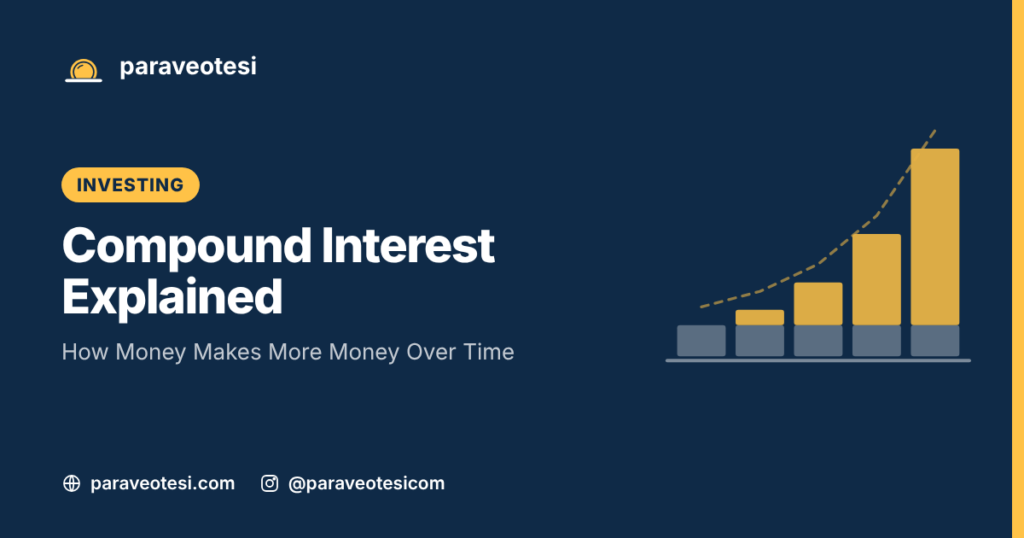
Compound interest explained: how returns on returns build over time, why reinvesting and patience matter, and how the same math works against you in debt.

A simple 15-minute weekly routine to track your spending, spot patterns early and make one small change at a time.

Real estate or stocks? Compare entry cost, leverage, liquidity, income, diversification and hidden costs to see which fits your situation.

How business finance differs from personal finance: goals, cash flow, debt, budgets and risk, and why the same money follows different rules.
What GDP is, how it is calculated, the difference between nominal and real GDP, and why it does not show the full picture of an economy.