
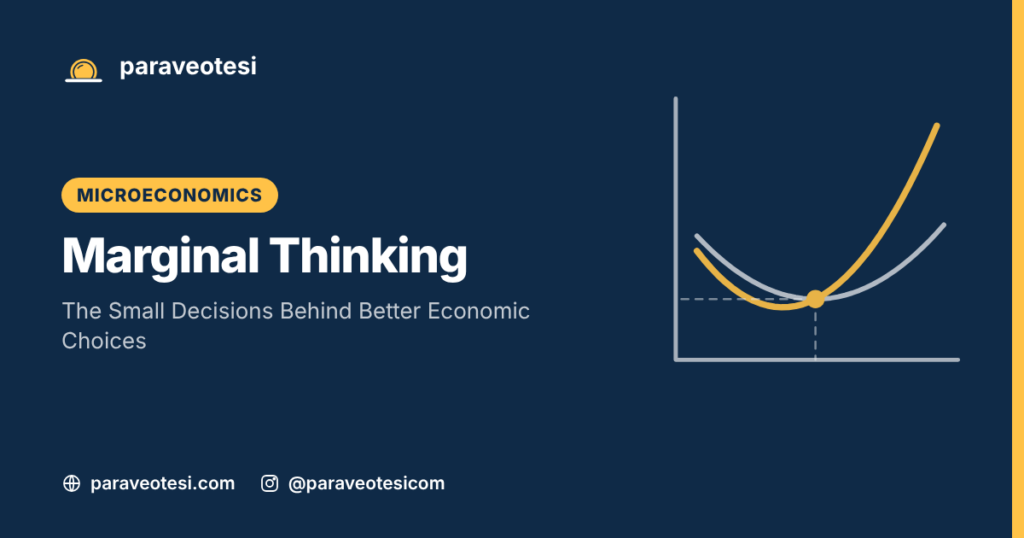
Marginal Thinking: The Small Decisions Behind Better Economic Choices
Key points Economics often sounds as if it is about giant questions: inflation, unemployment, growth, trade, and interest rates. The
Key points Economics often sounds as if it is about giant questions: inflation, unemployment, growth, trade, and interest rates. The
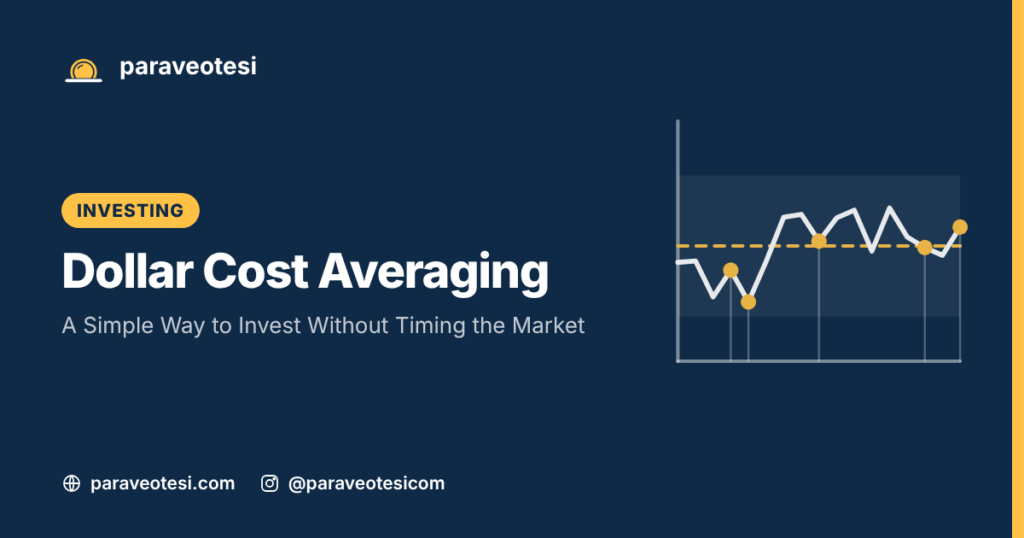
Dollar-cost averaging explained: regular fixed contributions, market timing, behavior, limits and a hypothetical comparison with a lump sum.
Better spending habits: track where money goes, add friction to impulse buys, review subscriptions and run a 30-day experiment, with a hypothetical table.
Fixed rate mortgages explained: predictable payments, the trade-off with adjustable loans, amortization, prepayment and refinancing, with a hypothetical table.

Current liabilities explained: payables, accrued costs, short-term debt, working capital and timing, with a hypothetical company and the SEC definition.
Real vs nominal growth: removing inflation, per-person growth, productivity and base effects, with a hypothetical table and an IMF explainer.

How crypto wallets work: keys, addresses, hot, cold and custodial options, recovery phrases and common scams, with a simple comparison table.
What a liability is: current and long-term obligations, interest, debt ratios and the accounting equation, with a hypothetical balance sheet table.
What makes a market developed: deep capital markets, institutions, liquidity, currency risk and portfolio role, with a hypothetical currency table.
What property tax is, how an assessed value becomes a bill, why it can rise without a rate change, and how to budget for it as part of owning a home.